
MYOFUNCTIONAL THERAPY
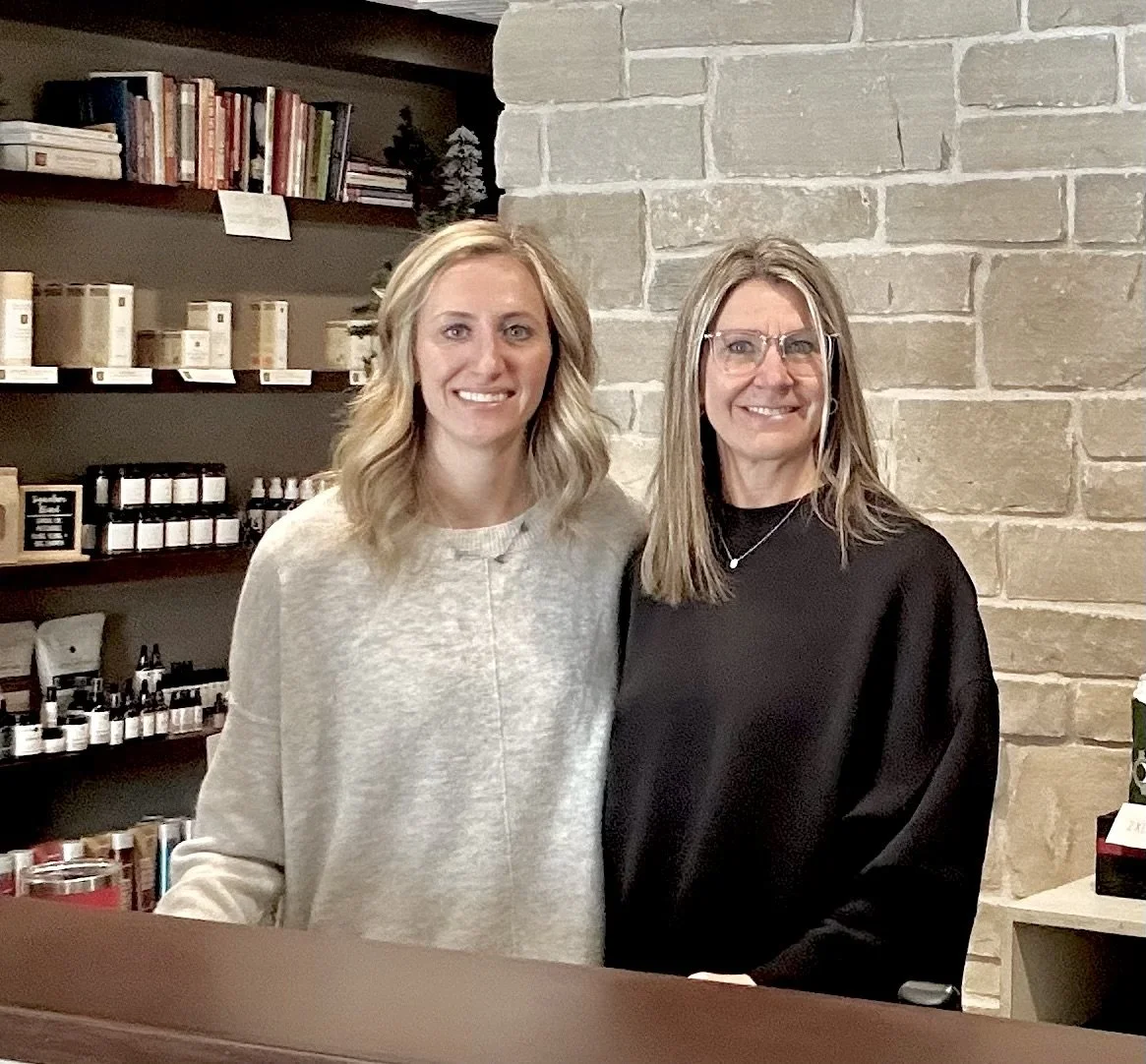
Ashley Heling
Sheboygan Myofunctional Therapy LLC
RDH, Myofunctional Therapist
Hello! My name is Ashley Heling. I am married and have three children—Cash, Crew, and Hayden. In my free time, I enjoy spending time with my family and caring for our animals.
I began my dental career as a dental assistant and have experience working in both general dentistry and orthodontics. In 2012, I earned my Dental Hygiene degree, followed by a Bachelor of Science in Healthcare Management. I have a strong passion for learning and continuously striving to better myself professionally.
In 2024, I completed my Myofunctional Therapy certification. My interest in myofunctional therapy stems from my passion for identifying the root cause of health issues rather than only addressing symptoms. I am committed to bringing greater awareness and education about myofunctional therapy to both patients and colleagues.
Ashley Heling
Gina M. Winkler
Sheboygan Myofunctional Therapy LLC
RDH, Myofunctional Therapist
My name is Gina Winkler.
I am a Registered Dental Hygienist who noticed certain issues in my patients that weren't getting addressed. I decided to explore this field to be able to give patients the help they need. Rather than turning to the use of medication that may have side effects, Myofunctional Therapy relies on exercises that have few risks and may be quite beneficial. You might need myofunctional therapy if the muscles of your tongue, lips, cheeks, or jaw aren’t working in the right way — because those patterns can quietly cause (or worsen) breathing, dental, speech, and sleep problems.
Here are some of the most common reasons people are referred:
1. MOUTH BREATHING: Chronic mouth breathing can dry the airway, affect facial growth in children, and change tongue posture. Therapy helps retrain nasal breathing and correct lip seal.
2. TONGUE THRUST OR IMPROPER SWALLOW: The tongue pushes forward or sideways against teeth when swallowing. Can cause open bites, orthodontic relapse, or speech issues.
3. INCORRECT TONGUE POSTURE: Tongue rests low in the mouth instead of on the palate. Can lead to dental crowding, narrow arches, and poor oral rest position.
4. SPEECH ISSUES: Certain sounds (like S, T, D, L) can be distorted if the tongue or lips move inefficiently. Myofunctional therapy complements speech therapy.
5. ORTHODONTIC STABILITY: Without retraining muscles, teeth can shift back after braces. Therapy keeps results stable by changing muscle habits.
6. SLEEP DISORDERED BREATHING/SLEEP APNEA: Weak oral muscles can contribute to snoring or mild obstructive sleep apnea. Strengthening these muscles can help keep the airway open at night.
If you have any questions about treatment or just want to see if I am the right fit for you-please reach out.
Contact Us!
Ashley Heling: (920) 337- 6328 ashley.shebmyofunctionaltherapy@gmail.com
Gina Winkler: (920) 418-2015 Gina@sheboyganmyofunctionaltherapy.com